NCT Dental – Natural Ways To Whiten Your Teeth
What is Invisalign?
Invisalign is a clear aligner system used to straighten teeth. It is an alternative to traditional metal braces. Invisalign uses a series of clear, removable aligners that are custom-made for your teeth. As you replace each aligner with the next in the series, your teeth gradually move into the desired position. The Invisalign system is virtually invisible, so most people won’t even know you’re wearing them. And since the aligners are removable, you can eat and drink what you want during treatment. Plus, brushing and flossing are no problem. You just remove the aligners and brush and floss like normal. The Invisalign system has been proven to be effective in straightening teeth. In a clinical study, Invisalign was shown to be effective in treating both simple ...
A stainless steel mop sink is a great investment for any business. Not only is it a necessary piece of equipment for any company that deals with cleaning, but it can also provide several benefits that can help improve your business. For more information
visit us today! Benefits of investing in a stainless steel mop sink include:
1. Increased Efficiency
A stainless steel mop sink can help improve the efficiency of your business by providing a convenient and easy-to-use space for cleaning. This can help reduce the amount of time it takes to clean your business, improving your bottom line.
2. Improved Sanitation
A stainless steel mop sink can also help ...
If you’re missing teeth, you may be considering dental implants as an option to restore your smile. Dental implants are a great way to replace missing teeth, and they offer a variety of benefits over other treatment options. This article will discuss the benefits of
all on 4 dental implants. What Are All-on-4 Dental Implants?
All-on-4 dental implants are a type of dental implant that uses four dental implants to stabilize a full arch dental prosthesis. The dental prosthesis can be either a fixed denture or a removable denture. All-on-4 dental implants are a type of dental implant that uses four dental implants to stabilize a full arch dental prosthesis. The dental prosthesis can be either a fixed denture or a removable d...
Wonky or crooked teeth are more than just a cosmetic issue; they can also cause serious oral health problems. Brushing and flossing with crooked teeth can be difficult, allowing plaque and debris to build up, leading to cavities and gum disease.
Read on or visit a
cosmetic dentist if you’re wondering if veneers can fix crooked teeth or if you’re interested in getting your teeth straightened and want more information. How Do Dental Veneers Work?
The material’s purpose is to improve cosmetic appearance by covering discoloured teeth, correcting crooked dental formulas, correcting tooth shape, and repairing chipped teeth. Furthermore, this is one of the most popular treatments for dental fluorosis, a persistent condition ...
Cleaning tile grout isn’t exactly a trendy topic, but it’s an important cleaning task that can drastically improve the appearance and feel of your home.
Tile grout is notorious for getting dirty and stained. But did you know that you can clean tile grout naturally without harsh chemicals? In this article, we will show you how to
clean tile grout using natural ingredients. So let‘s get started! What to Use to Clean Grout
Tile grout is notoriously difficult to clean. The porous material easily absorbs dirt and grease, and regular scrubbing often doesn’t remove all of the stains. Fortunately, there are several products that can help make this task a little bit easier. One option is a commercial grout cleaner. ...
One question that frequently arises is, Can scars be removed with plastic surgery? The answer depends on the type of procedure you’ve had. Although scars can’t be completely eliminated, they can often be improved. The amount of improvement depends on several factors, including the type of scar, its location, and the nature of your skin. The best option will depend on your individual needs and goals. A
plastic surgeon will also consider timing. Plastic surgery may not be necessary until a scar has healed fully. If you’ve had a recent cut or abrasion, for example, it can take a year or more to heal completely. If your wound has not healed completely, a doctor can inject corticosteroids...
There is a common belief that teeth whitening products will make your teeth super white and that they will stay that way forever. Unfortunately, this is not `the case. Teeth whitening products can only make your teeth a few shades lighter and they will only stay that way for a few months. If you want to keep your teeth looking their best, you will need to use whitening products on a regular basis.
There are a few natural ways that you can whiten your teeth. 0ne way is to use baking soda. You can make a paste with baking soda and water and brush your teeth with it. Another way is to use hydrogen peroxide. You can either brush your teeth with it or gargle with it. You can also eat certain foods that wi1l help whiten your teeth like strawberries and apples.
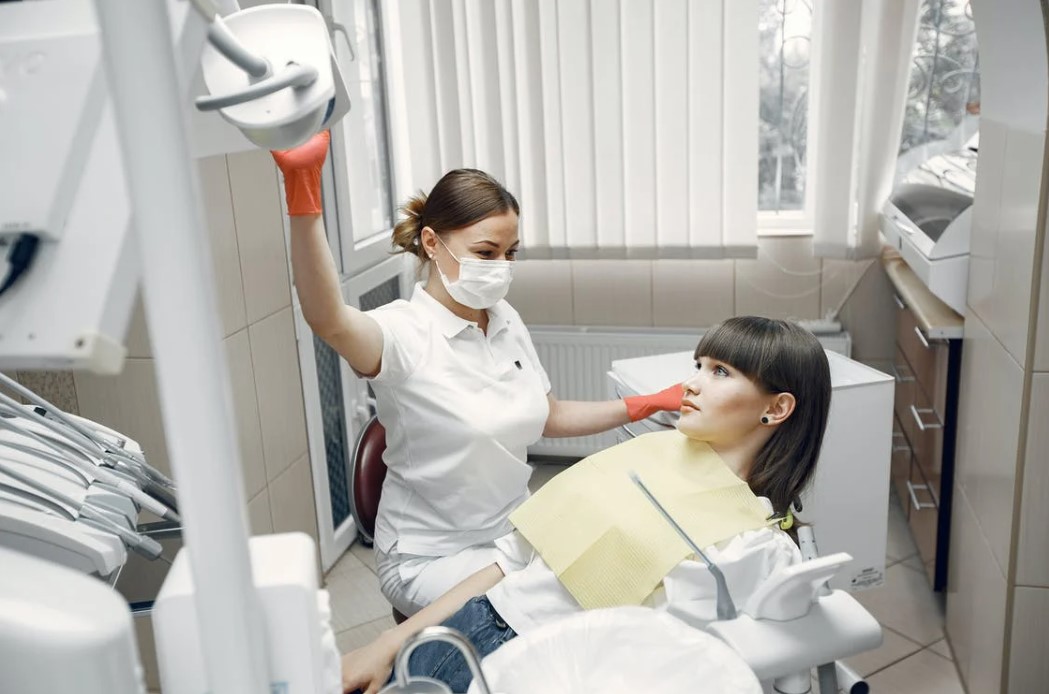
Natural Ways To Whiten Your Teeth FAQs
How can I remove yellow from my teeth naturally?
There are many ways to remove yellow from teeth naturally. S0me home remedies include brushing with baking soda, using hydrogen peroxide, or using a mixture of lemon juice and baking soda. There are also many commercial teeth whitening products available that can be effective in removing yellow from teeth.